November 25, 2026
In today's ever-evolving world, comfort and energy efficiency in our homes are more important than ever. An inadequate HVAC installation can lead to discomfort, excessive energy costs, and a slew of other issues. It's crucial to choose the right system that not only meets the immediate needs of your home but also contributes to long-term savings. A well-chosen HVAC system can drastically improve air quality, regulate temperature, and assist in maintaining a healthy living environment. This article aims to guide homeowners through the essential considerations for selecting and installing the perfect HVAC system. With the right installation, you'll enjoy consistent comfort with minimal interruptions, enhancing your overall quality of life. Additionally, understanding these concepts allows you to take proactive steps in maintaining your system efficiently.
Evaluate Your Home's Size and Insulation
The first step in choosing the right HVAC system begins with assessing the size of your home and its insulation needs. The system’s capacity should be appropriate for the space it is meant to service. A system that's too small won't effectively heat or cool your home, while an oversized unit can lead to frequent cycling and wear out more quickly. Proper insulation plays a critical role as well. High-quality insulation maintains temperature, reducing the burden on the HVAC system and enhancing its efficiency. A well-insulated home ensures that cooling and heating effects are preserved, minimizing energy consumption. Consideration of local climate conditions is also key; homes in extreme weather areas may require specialized insulation solutions. Reinforcing areas such as the attic or basement can further enhance insulation effectiveness.
Inadequate insulation leads to temperature fluctuations, causing the HVAC system to work harder and consume more energy. When assessing your home, consider professional energy audits to identify areas with insufficient insulation. This step is vital as it directly impacts the type of HVAC system you'll need. Incorporating efficient insulation solutions is not just about regulating temperatures—it significantly contributes to reducing overall energy consumption, aligning with sustainable living practices. By upgrading insulation, you not only improve energy efficiency but also increase the overall value of your property. An insulated home is a more appealing investment, indicating reduced energy bills and enhanced comfort to potential buyers.
Maximize Energy Efficiency
Energy efficiency is a cornerstone of selecting the right HVAC system. Modern HVAC systems offer a range of energy-efficient features that reduce operational costs and environmental impact. When selecting an HVAC unit, look for ratings like the Seasonal Energy Efficiency Ratio (SEER) and Energy Efficiency Ratio (EER) that indicate a system's performance. Systems with higher ratings offer better efficiency, often translating to lower utility bills. Additionally, considering features such as energy-saving modes or programmable thermostats can enhance your system's efficiency. Smart thermostats further optimize energy usage, learning your schedule to adjust temperatures automatically for maximum savings. Selecting Energy Star-certified systems ensures compliance with strict efficiency guidelines, adding peace of mind.
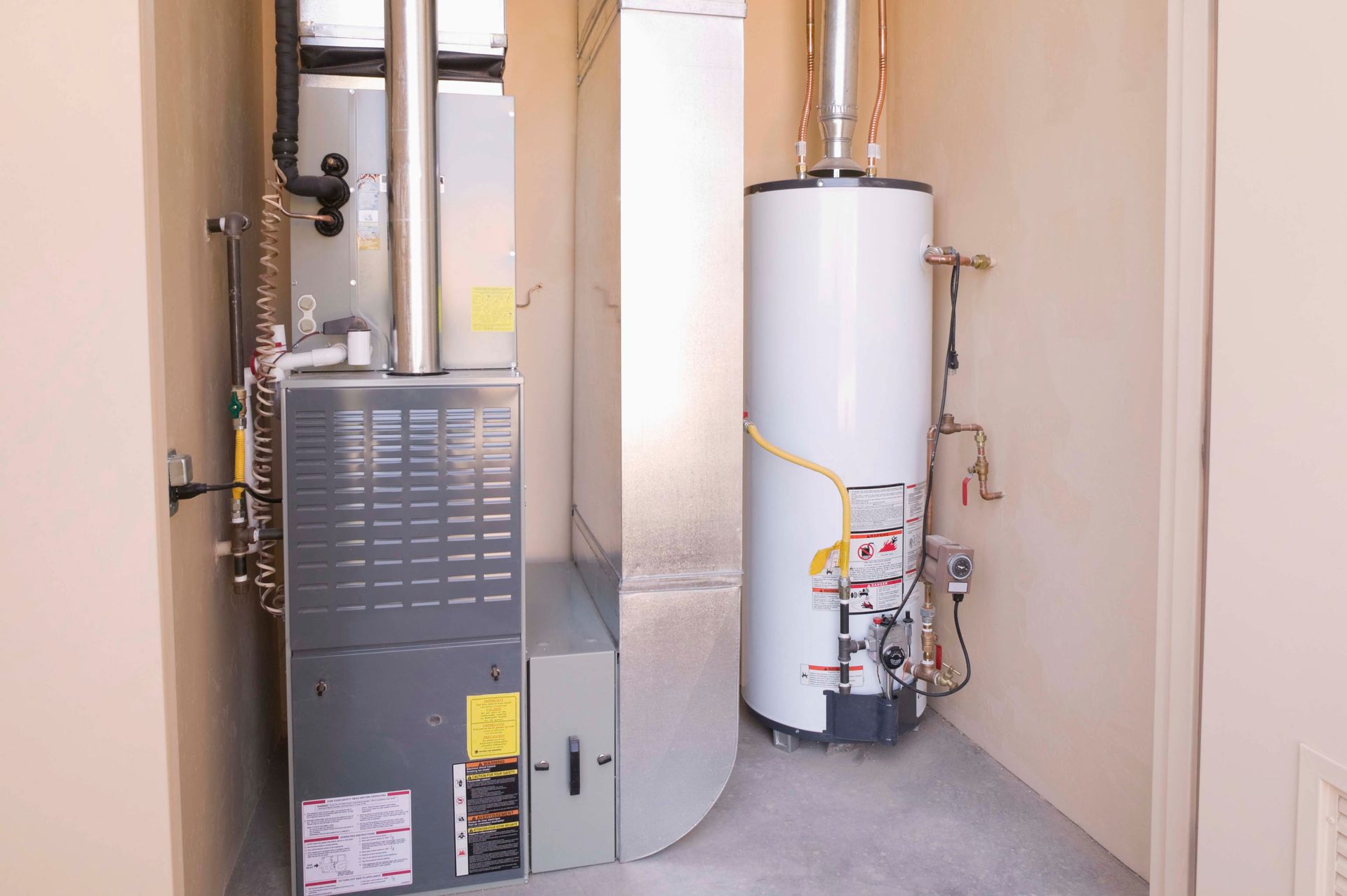
Energy-efficient HVAC installations not only benefit you financially but also help reduce the global carbon footprint. With water heating contributing to about 20% of energy use in the average household, according to the U.S. Department of Energy, ensuring that all aspects of your heating system are optimized can lead to meaningful long-term savings. By investing in an energy-efficient HVAC system, you're choosing a sustainable approach that preserves natural resources and supports environmental conservation. Beyond personal savings, contributing to global sustainability by reducing energy consumption reflects a responsible attitude towards the environment. This responsible choice sets an example in your community, promoting eco-friendly living standards.
Explore Different HVAC Types
The heating and cooling market offers various HVAC systems, each with unique benefits tailored to different needs. Common types include split systems, hybrid systems, duct-free systems, and packaged heating and air systems. Split systems are traditional, comprising indoor and outdoor units. While they're efficient, they require appropriate ductwork. Hybrid systems allow more flexibility, combining gas furnaces with electric heat pumps, enhancing efficiency particularly in fluctuating climates. It’s essential to consider your home's infrastructure and evaluate whether modifications or additional components are required for certain systems. Consulting with experts before purchase can help prevent costly retrofitting.
Duct-free systems, or mini-split systems, are perfect for homes without existing ductwork, providing flexibility in installation and zoned heating. Meanwhile, packaged systems are compact and ideal for smaller spaces, integrating all components in a single outdoor unit. Understanding the intricacies of each type will help you identify which system aligns best with your home's structure and your energy consumption goals. Consulting with HVAC professionals can also provide insights tailored specifically to your home's requirements. Choose a system that aligns with your lifestyle needs, budget constraints, and any future home modifications you plan. The right choice will enhance your home’s functionality, providing dependable climate control year-round.
Adopt Smart Technologies
Todays's HVAC systems come equipped with advanced features and smart technologies that revolutionize home climate management. Smart thermostats, for example, allow you to control your system remotely via smartphone, offering precision scheduling that saves energy by turning the system off when nobody's home. Modern units may include adaptive technology that learns your preferences over time, automatically adjusting to maintain optimal comfort levels. Some systems provide real-time diagnostics and alerts, helping you to address issues before they escalate into costly repairs. Investing in technology not only boosts efficiency but also extends the lifespan of your equipment.
Humidity control, air purifier integration, and variable speed compressors are additional features that enhance system performance and indoor air quality. These technological advancements not only increase comfort but significantly improve the efficiency of your HVAC installation. By adopting systems with smart and adaptive technologies, homeowners benefit from improved air quality, reduced energy consumption, and ultimately, a reduced environmental impact. Investing in these features means stepping into a future where your home’s climate control is sophisticated and sustainable. Allowing technology to monitor air quality ensures a continually healthy living environment, highlighting the broader health benefits of modern HVAC systems. Automated systems often come with interactive user interfaces, simplifying manual adjustments and eliminating operational guesswork.
Collaborate With Professional Installers
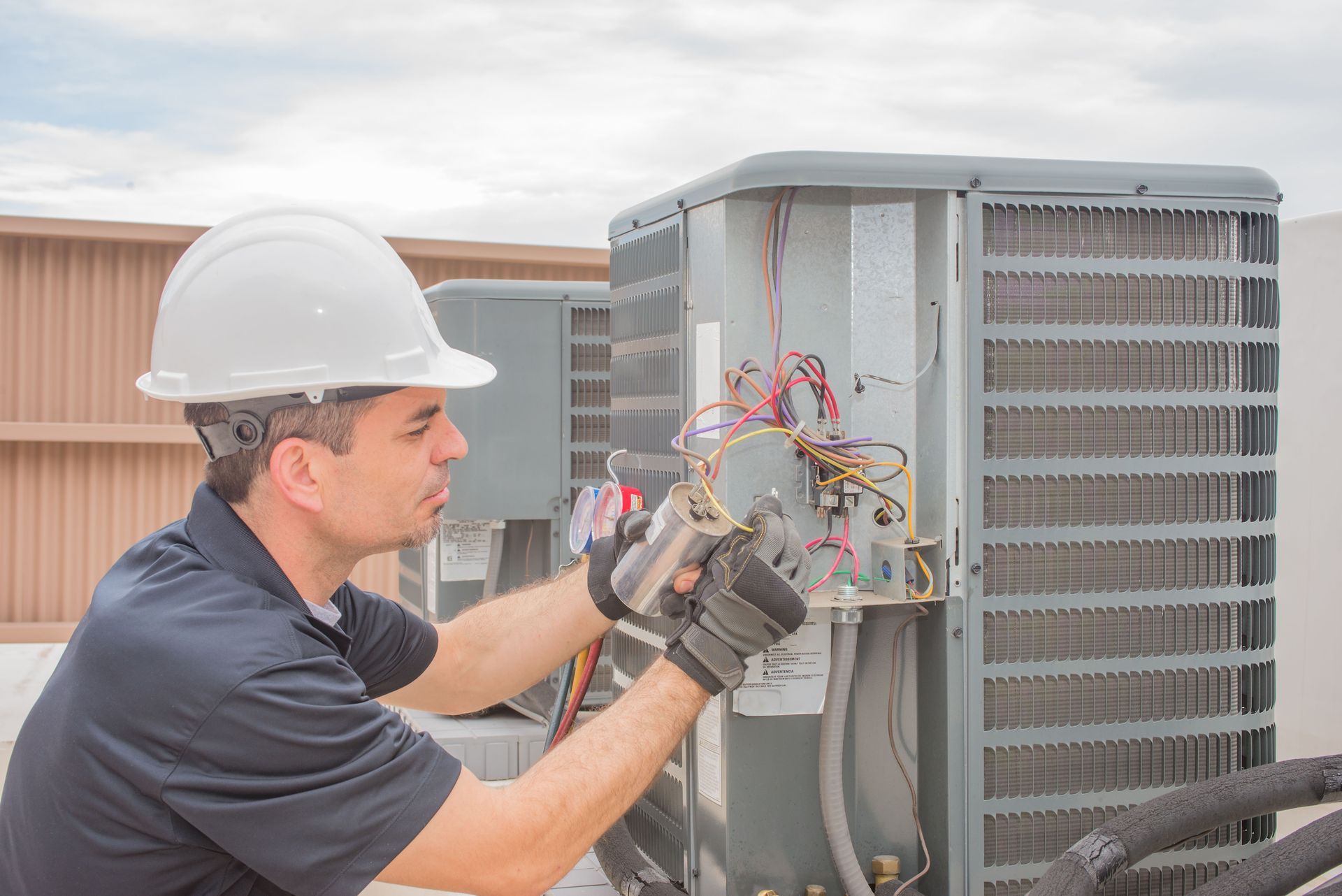
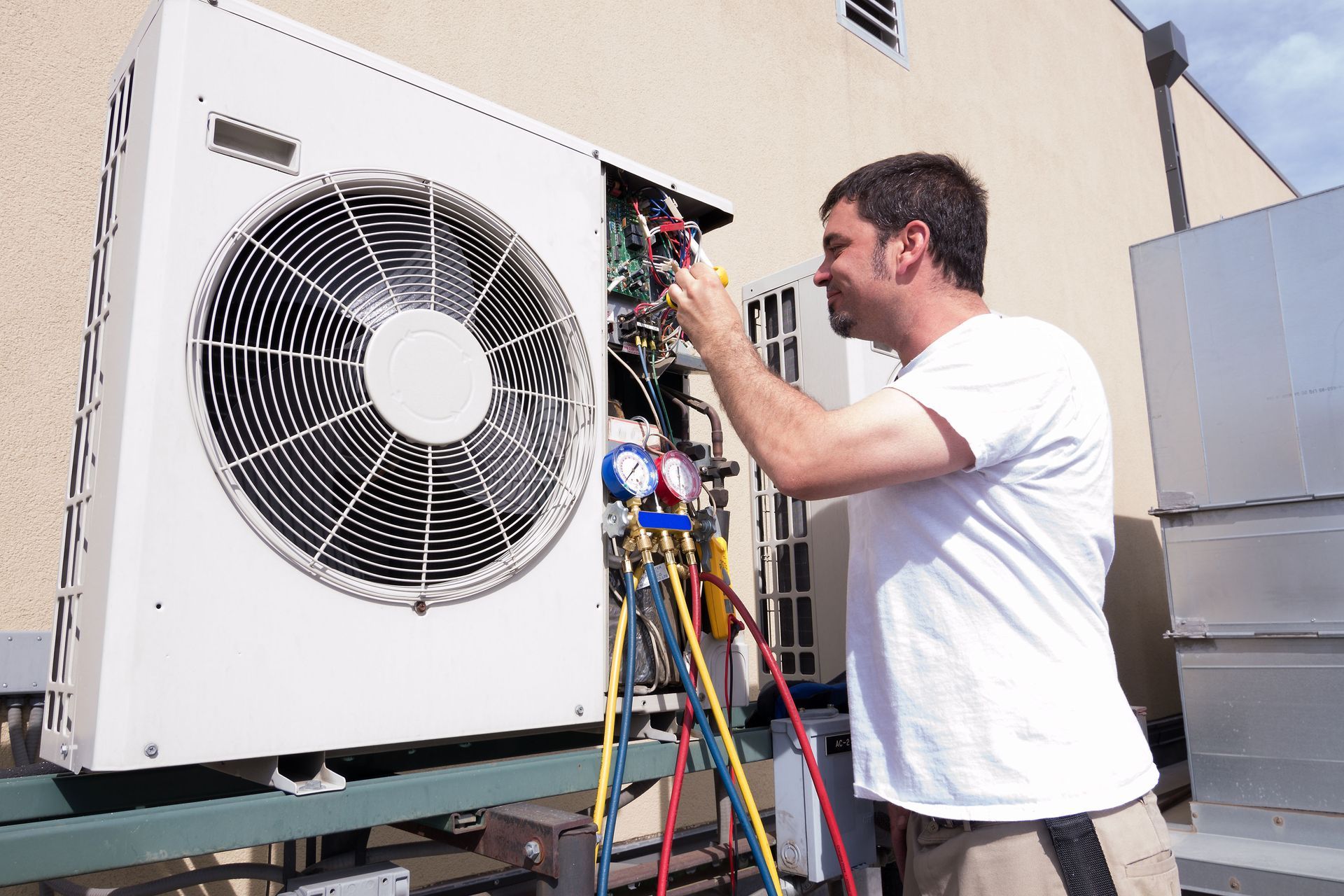
The journey to achieving the right HVAC installation is best navigated with professional input. Experts can offer tailored recommendations based on detailed assessments of your home, helping you avoid costly mistakes. Custom installations take into account unique factors such as air quality, specific zoning needs, and individual energy goals, providing a solution crafted just for you. Professionals can ensure that your system is installed correctly, optimizing performance and longevity, and significantly reducing the risk of future malfunctions. Working with licensed professionals guarantees compliance with safety regulations, adding an extra security layer to your investment. Their expertise ensures that all necessary permits and inspections are meticulously handled.
Selecting the right HVAC installation is a multifaceted process that incorporates home size, energy efficiency, technological advancements, and professional insights. Each of these aspects plays a vital role in creating a comfortable, efficient living space that promotes savings and sustainability. By understanding the various options available, considering modern features, and prioritizing energy efficiency, homeowners can make informed decisions that benefit both their household and the environment. A strategic approach to HVAC installation not only ensures comfort but also contributes to significant energy savings over time, highlighting the importance of careful planning and expert guidance in achieving an optimal home climate system. This thorough attention to detail maximizes the system's service life and ensures long-term reliability and performance. Reach out to Elite Heating & Air LLC to learn more about our services today.